

Small business
How to record losses in a small business
Separate breakage, expiry, and the gap from the count. A food-retail survey measures the sector. Your loss is what you wrote down.
BudSavings editors4 min read
Margin, price, and break-even numbers for people who sell a product or a service.
Separate breakage, expiry, and the gap from the count. A food-retail survey measures the sector. Your loss is what you wrote down.
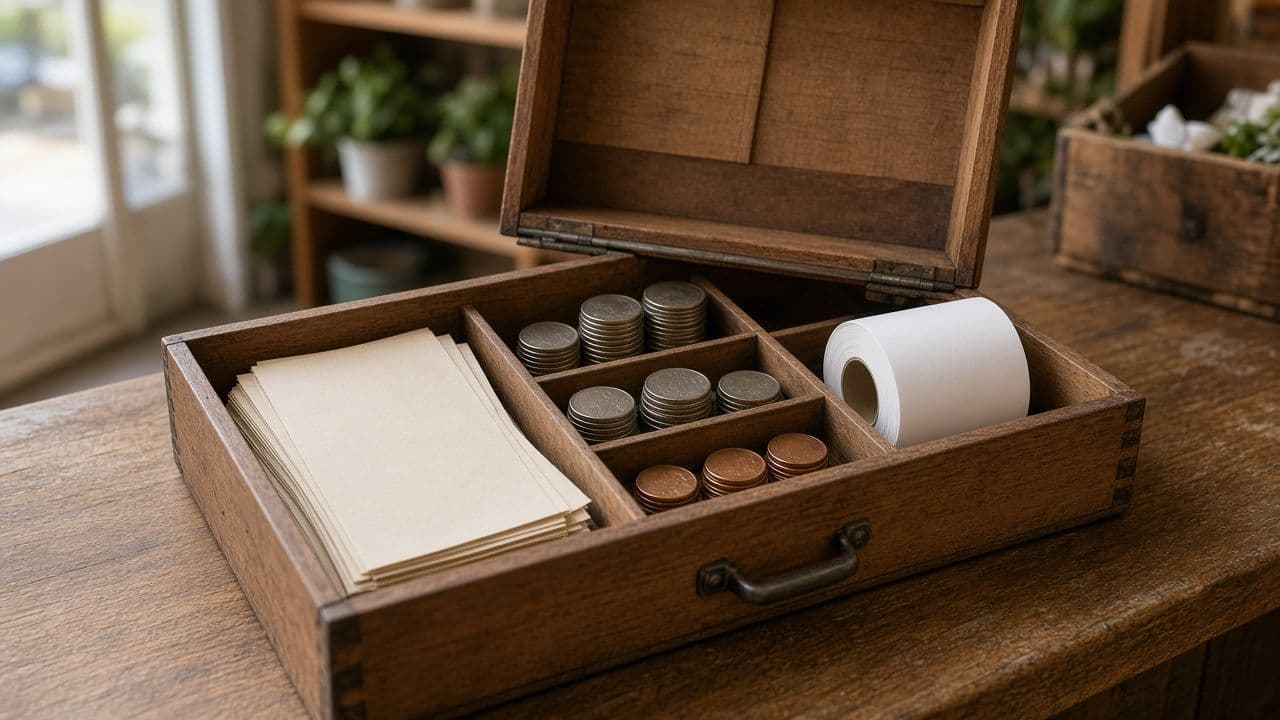
Record the opening balance, what came in, and what went out. A booked sale is not money in the account when the customer pays later.

A product can show a 40% markup and less than a 30% margin. The decision to keep the price uses the margin.

Add the direct cost, the share of fixed cost, and the margin. The shop next door does not replace that account.
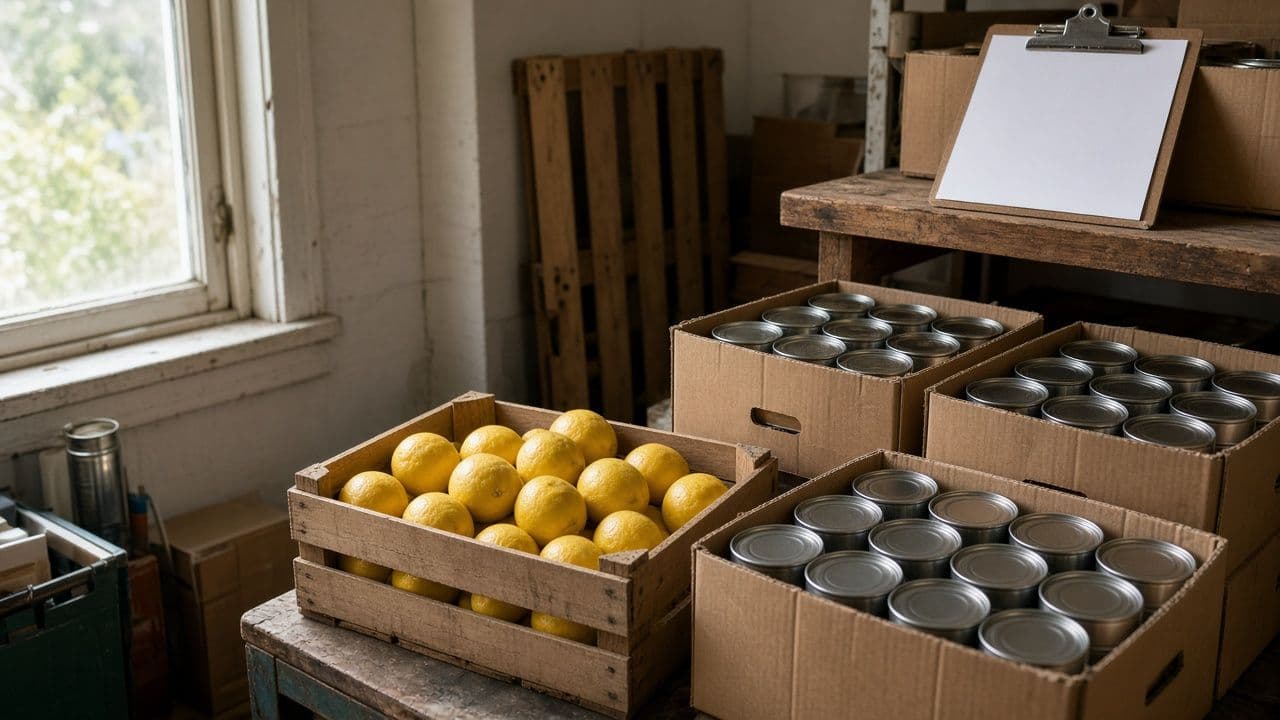
Control starts with what is on the shelf today. A food-retail average does not say what to buy tomorrow.

Buy what the count does not cover until the next delivery. A sector stockout index is not the share of your sales.

Multiply the gap between price and variable cost by the units that sold. Sort the list. The first names carry the shop.

Divide fixed cost by the gap between price and variable cost. Below that quantity, the period closes at a loss.

In August 2025 the National Retail Federation explained why it stopped publishing one national shrink rate. The percentage mixes theft, spoilage, and bookkeeping.